- Call Us: 011 4652 8024
- Email: info@pushpanjalihospitals.com


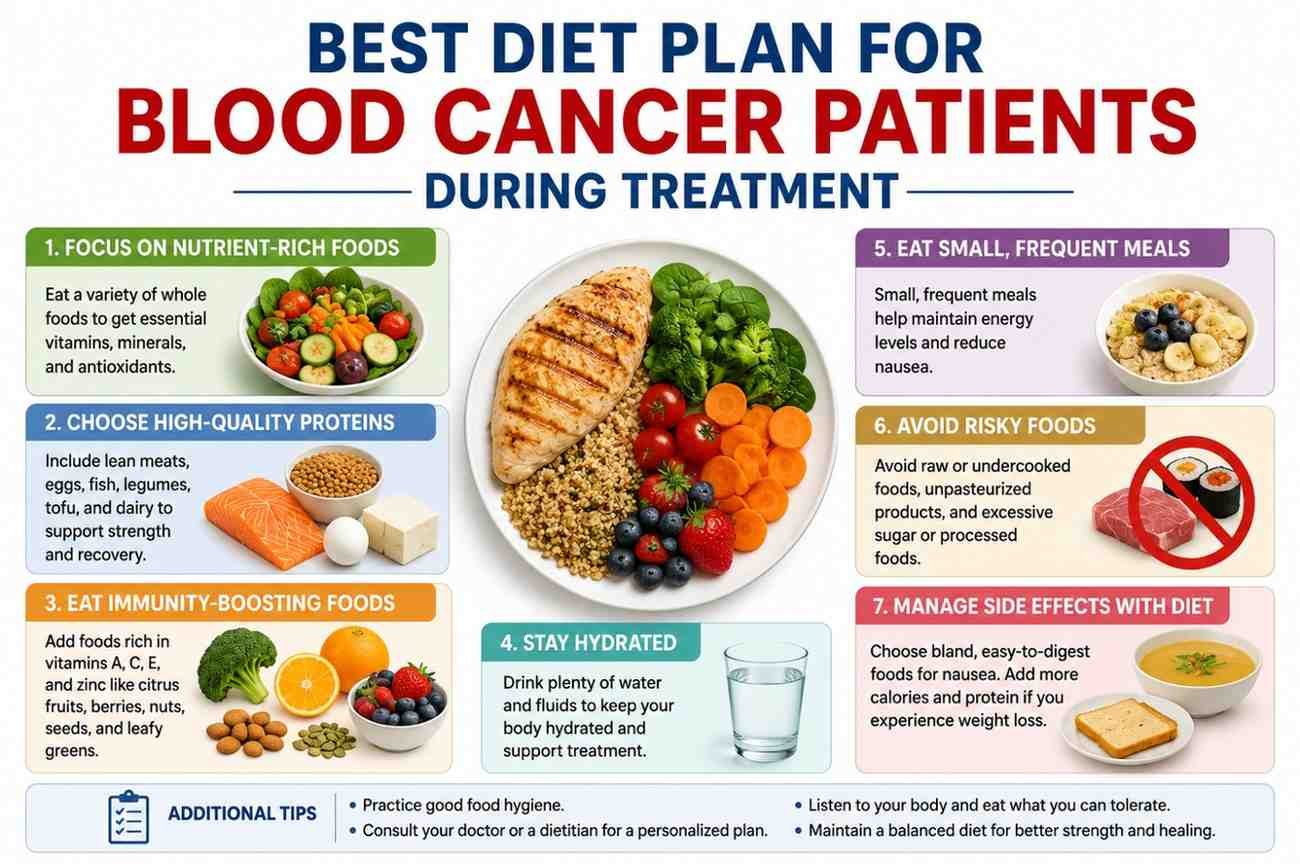
A healthy diet plays a vital role in supporting the body during blood cancer treatment. While medications, chemotherapy, and other medical therapies aim at cancer cells, proper nutrition helps keep up strength, gives a boost to immunity, and improves general well-being. Sticking with a well-balanced blood cancer diet plan can also help manage treatment-related side effects such as fatigue, nausea, appetite loss, and shifts in body weight.
Every patient has a sort of unique nutritional needs, based on the blood cancer type, the whole treatment plan, and also their general well-being. Still, there are a few dietary principles that can help most patients stay in better condition throughout their treatment journey.
A carefully set-up blood cancer dietary plan basically gives essential nutrients that help with recovery, assist in the repair of healthy tissues, and at the same time lower the chance of infections. Because a lot of blood cancer treatments, for a while, make the immune system weaker, it becomes even more important to eat food that is nutrient-dense and kind of “power-packed” with minerals and vitamins.
A balanced Diet for blood cancer patients should focus on providing enough calories, protein, vitamins, minerals, and fluids to support the body's healing process. Patients should always consult their oncologist or a qualified dietitian before making major dietary changes.
Choosing wholesome, nutrient-dense foods can improve energy levels and support overall recovery. The best Foods for blood cancer patients are those that are easy to digest, rich in nutrients, and prepared hygienically.
Protein helps repair tissues and maintain muscle mass during treatment. Good options include:
Eggs
Fish
Skinless chicken
Lentils and beans
Tofu and soy products
Low-fat dairy products
Paneer
These foods are an essential part of effective Blood cancer nutrition and should be included regularly unless advised otherwise by your healthcare provider.
Fresh fruits and vegetables provide antioxidants, vitamins, and fiber that support overall health. Choose thoroughly washed produce such as:
Apples
Bananas
Oranges
Papaya
Carrots
Spinach
Broccoli
If your immunity is severely compromised, your doctor may recommend avoiding raw foods and choosing cooked vegetables instead.
Whole grains supply long-lasting energy and fiber. Include foods such as:
Oats
Brown rice
Whole wheat chapati
Quinoa
Millets
These foods help maintain digestive health and provide steady energy throughout the day.
Hydration is an important part of every Blood cancer diet plan. Drinking enough fluids helps prevent dehydration, supports kidney function, and reduces some chemotherapy-related side effects.
Healthy hydration choices include:
Water
Coconut water (if medically appropriate)
Fresh soups
Lemon water
Clear vegetable broth
Patients experiencing vomiting or diarrhea should seek medical advice regarding fluid and electrolyte replacement.
Knowing the Foods to avoid during blood cancer treatment is just as important as knowing what to eat. Certain foods may increase the risk of infection or worsen digestive discomfort.
Common foods to limit or avoid include:
Raw or undercooked meat, fish, and eggs
Unpasteurized milk and dairy products
Street food and unhygienically prepared meals
Excessively spicy or oily foods
Sugary beverages and processed snacks
Alcohol and tobacco products
Following safe food preparation practices can significantly reduce the risk of food-borne infections during treatment.
Keeping a healthy diet during chemotherapy can feel tricky because many patients deal with nausea, taste alterations, mouth sores, or an almost total loss of appetite. In these situations, eating smaller, more frequent meals rather than big portions can help the food seem more manageable to swallow and enjoy.
Helpful dietary tips include:
Eat five to six small meals daily.
Choose soft, easy-to-chew foods if mouth sores are present.
Include protein with every meal.
Avoid skipping meals even if your appetite is reduced.
Keep healthy snacks available throughout the day.
A personalized meal plan prepared by a dietitian can make a significant difference during chemotherapy.
Here is a simple example of a balanced Blood cancer diet plan:
Breakfast: Oatmeal with milk, banana, and boiled egg
Mid-Morning Snack: Fresh fruit or yogurt
Lunch: Brown rice, dal, cooked vegetables, grilled chicken or paneer
Evening Snack: Roasted chickpeas or fruit smoothie
Dinner: Whole wheat chapati, vegetable curry, and lentil soup
Before Bed: Warm milk or a protein-rich drink (if recommended)
This sample should only serve as a general guide. Individual dietary needs may vary depending on treatment and overall health.
Nutrition is sort of just one piece in the bigger cancer care picture. At Pushpanjali Hospital, patients get multidisciplinary help, with seasoned oncologists, dietitians, and other healthcare professionals all working side by side. Together they craft individualized treatment plans, not just in theory but in daily practice too.
If advanced surgical care is needed, patients usually consult the Best Cancer Surgery Hospital in West Delhi, for kind of full cancer management and all that. Having access to a 24-hour blood bank in Delhi is also a crucial part of blood cancer treatment, so support is available quickly whenever transfusions are needed.
A nicely arranged Blood cancer diet plan can help boost your strength, steady the immune system, and raise your day-to-day quality of life while treatment is happening. If you stick with a balanced diet for blood cancer patients, pick nutrient-dense foods for blood cancer patients, concentrate on solid blood cancer nutrition, sidestep foods that are unsafe, and keep a healthy diet during chemotherapy, then you’re giving yourself better overall support.
At Pushpanjali Hospital, every patient gets individualized care, which includes nutritional guidance made to fit their condition and the actual treatment goals. Along with regular medical follow-ups, having a healthy diet can matter a lot in supporting recovery, as well as helping patients navigate through the whole treatment journey with more confidence.